
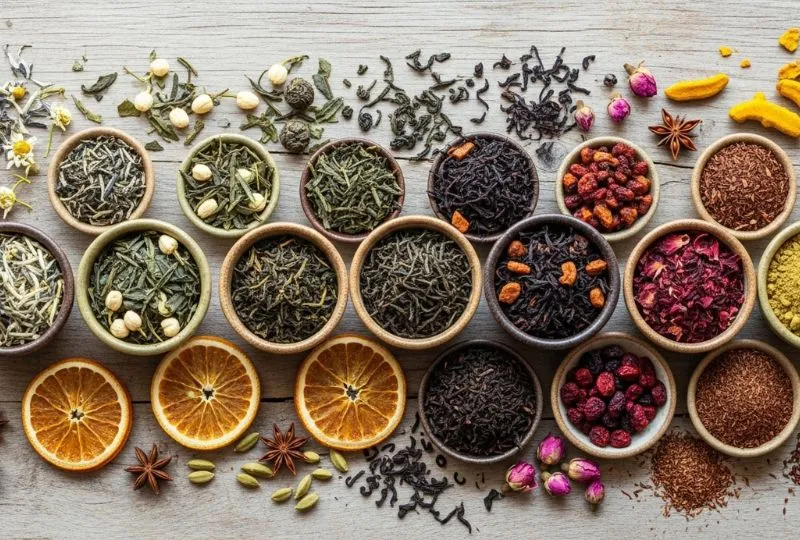
The Art and Science of Tea Infusion
Imagine a quiet morning where the gentle steam of freshly brewed tea rises, bringing warmth and tranquility. Tea infusion is more than just a beverage; it's a ritual that connects you to cultures, history, and the sheer joy of a soulful moment. Whether you're a seasoned tea enthusiast or a curious newcomer, exploring the world of tea infusion invites you to discover a timeless elegance within this aromatic drink.
The Process of Tea Infusion
Mastering the art of tea infusion starts with understanding the delicate balance of temperature, time, and quality ingredients.
🍵 Looking for the perfect tea?
Ask the Tea Wellness Guide about teas for sleep, relaxation, immunity, digestion & more!
Ingredients You Need
Before you embark on your tea infusion journey, gather these essential ingredients:
- Tea Leaves: Choose your favorite from black, green, white, oolong, or herbal varieties.
- Fresh Water: Always use filtered, cool water for the clearest flavor.
- Optional Add-ins: Consider lemon slices, mint leaves, or honey for a customized twist.
Step-by-Step Preparation
The infusion process awakens distinct flavors and aromas. Here's how to get started:
- Measure the Tea: Use about 1 teaspoon of tea leaves per cup of water for black or green tea. Adjust based on preference and tea type.
- Heat the Water: Different teas require precise water temperatures. Green tea thrives at lower temperatures (160-180°F), while black tea flourishes at boiling point (212°F).
- Steep the Leaves: Pour water over leaves and steep. The time varies—black tea (3-5 minutes), green tea (2-3 minutes), and herbal (5-7 minutes).
- Strain and Enjoy: Remove the leaves, allowing you to savor the full-bodied flavor and aroma.
The Benefits of Tea Infusion
Drinking infused tea is not just an indulgence; it's a nourishing ritual with multiple health benefits.
Antioxidant Power: Tea is packed with antioxidants, notably catechins and flavonoids, which help fight free radicals and promote overall health.
Mental Calmness: The amino acid L-theanine found in tea leaves can enhance focus and reduce stress, offering a calming effect with each sip.
Digestive Aid: Herbal infusions like ginger or peppermint can soothe the digestive system and ease discomfort.
Aromas that Speak to the Soul
Imagine inhaling the sweet, floral notes of jasmine or the smoky richness of oolong tea. The aromatic profile of each tea variety offers a multi-sensory experience, heightening the pleasure of tea infusion.
Earthy and Robust: Black teas like Assam or Darjeeling deliver deep, malty aromas that invigorate your senses.
Light and Floral: White teas provide a delicate fragrance reminiscent of fresh blossoms, perfect for serene afternoons.
Cultural Tapestry of Tea
The love for tea transcends borders, becoming an integral part of cultural traditions worldwide.
The Japanese Tea Ceremony: The chanoyu celebrates the refined simplicity of matcha, highlighting mindfulness and the beauty of fleeting moments.
British Afternoon Tea: A quintessential afternoon ritual, enjoy a harmonious blend of strong black teas paired with finger sandwiches and scones.
Chinese Tea Culture: China's diverse tea practices, from the celebrated gongfu style to everyday dining, emphasize communal bonding and historical richness.
Embrace the Tea Infusion Ritual
As you venture into the world of tea infusion, let each cup become a canvas of flavors and aromas. Engage your senses, and embrace the calming effects that unfold with every brew. Allow yourself to indulge in this ancient tradition that encourages connectivity, reflection, and the simple joys of life. Whether shared with friends or enjoyed in the solitude of your own company, tea provides a gentle reminder to pause and appreciate the present moment.
```
Tea has been cherished for centuries, celebrated not just for its rich flavors but also for its numerous health advantages. As one of the most consumed beverages globally, discovering the potential benefits and reasons to enjoy tea can offer you the motivation to make it a staple in your daily routine.
5 Benefits of Drinking Tea
1. Boosts Antioxidant Intake
Tea is packed with antioxidants, which play a crucial role in combating free radicals in the body. These antioxidants, mainly polyphenols and flavonoids, can help protect cells and tissues from damage, potentially reducing the risk of chronic diseases.
2. Supports Heart Health
Regular consumption of tea, especially green and black teas, has been linked to improved heart health. The compounds found in tea can help lower LDL cholesterol levels and enhance blood vessel function, ensuring a healthier cardiovascular system.
3. Enhances Mental Alertness
One of the primary ingredients in tea, caffeine, can improve attention and brain function. Furthermore, tea contains the amino acid L-theanine, which works synergistically with caffeine to promote alertness and concentration, without the jittery effects associated with other caffeinated drinks.
4. Aids in Digestion
Drinking herbal teas such as peppermint or ginger can help support a healthy digestive system. These teas can help alleviate symptoms like bloating, gas, and indigestion due to their calming effects on the digestive tract.
5. Promotes Weight Loss
Green tea, in particular, can assist with weight management. The catechins and caffeine present in green tea can boost metabolism, thereby enhancing fat burning and supporting weight loss efforts.
5 Reasons to Choose Tea
1. Wide Variety of Flavors
From robust black teas to delicate white teas, and everything in between, the variety of flavors available in tea is extensive. This means there is always a tea to suit your mood or preference, making it a versatile choice for any occasion.
2. Enjoyable Hot or Cold
Tea can be savored both as a comforting hot beverage or a refreshing cold drink. This versatility allows you to enjoy tea throughout the year, regardless of the season or temperature outside.
3. Natural Energy Boost
For those seeking a natural pick-me-up, tea provides a gentle energy boost without the potential crash associated with other caffeinated beverages. The combination of caffeine and L-theanine in tea offers sustained energy levels and focus.
4. Social and Cultural Connections
Sharing a cup of tea is a cultural ritual in many societies, often playing a central role in gatherings and social interactions. This makes tea not only a beverage but also a bridge to connect with others and enjoy shared moments.
5. Customizable to Personal Preference
Whether you enjoy your tea bold and unsweetened or prefer it with a hint of honey or lemon, tea can be customized to fit your personal taste preferences. The ability to tailor each cup to your liking ensures a satisfying and personalized experience every time.
```
Tea is a versatile and widely cherished beverage with a rich history and myriad varieties. From green to black, oolong to herbal, tea caters to diverse tastes and preferences. Whether seeking health benefits, relaxation, or a moment of calm, tea offers something for everyone. Discover what makes tea the preferred choice for millions worldwide.
FAQ
What are the health benefits of drinking tea?
Tea is rich in antioxidants, which help reduce inflammation. It can aid in digestion, enhance mental clarity, and improve heart health. Green tea is well-regarded for its ability to boost metabolism and burn fat.
How should I store my tea to maintain its freshness?
Store tea in an airtight container, away from light, moisture, and strong odors. Keep it in a cool, dark place to maintain its flavor and potency for the longest time possible.
What is the best way to brew tea?
For optimal flavor, use fresh, filtered water. Adjust water temperature and steeping time based on tea type: green tea at 160-180°F for 2-3 minutes, black tea at 200°F for 3-5 minutes.
Can tea help with weight loss?
Yes, particularly green tea, which boosts metabolism and increases fat burning. Combine tea consumption with a balanced diet and regular exercise for best results.
Is tea better loose leaf or in bags?
Loose leaf tea generally offers better quality and flavor, as it allows more room for the leaves to expand, providing a richer taste. Tea bags are convenient but may contain lower-quality tea.
What are the unique flavors of different tea types?
Black tea is full-bodied and robust, green tea is light and grassy, oolong offers a complex, floral taste, and herbal infusions provide diverse flavors, from mint to chamomile.
How much caffeine does tea have compared to coffee?
Tea contains less caffeine than coffee. For example, black tea has about 40-70 mg per cup, while coffee has 95-200 mg. Green tea has even less caffeine, around 20-45 mg per cup.
Conclusion
In conclusion, tea is more than just a drink; it's an experience steeped in tradition and enhanced by modern-day innovation. With its various types and health benefits, tea is an ideal choice for anyone seeking a soothing, enriching beverage. By exploring the world of tea, you can enjoy its diverse flavors and potential wellness advantages, making it a worthy addition to your daily routine.
```Si quieres conocer otros artículos parecidos a Tea Infusions in Traditional Chinese Medicine — Modern Perspective puedes visitar la categoría tea infusion.
Related Articles – Discover More Tea Secrets & Wellness Tips