
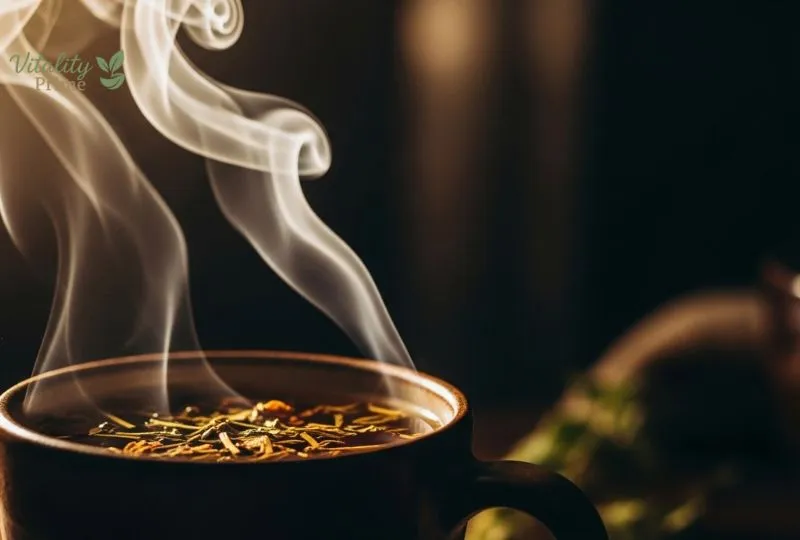
The Art and Soul of Tea Infusion: A Journey Through Preparation, Ingredients, Benefits, and Culture
- Understanding the Basics of Tea Infusion
- The Art of Preparing a Perfect Tea Infusion
- Ingredients and Their Mesmerizing Aromas
- The Vast Health Benefits of Tea
- Cultural Aspects and Traditions Surrounding Tea
- Inspiring Moments with Tea Infusion
- Discover the Benefits and Reasons to Enjoy Tea
- 5 Benefits of Drinking Tea
- 5 Reasons to Include Tea in Your Daily Routine
- FAQs About Tea
- Conclusion
Imagine a moment of tranquility, where time pauses with the gentle embrace of aroma and warmth. This is the world of tea infusion, a gateway to serenity and mindfulness that invites you to explore a rich tapestry of flavors, traditions, and health benefits. Whether you're a seasoned tea enthusiast or a curious newcomer, understanding the nuances of tea infusion can transform your daily ritual into a cherished experience.
Understanding the Basics of Tea Infusion
At its core, tea infusion is the process of steeping tea leaves in hot water to extract flavors and aromas. This simple yet profound practice has captivated cultures around the globe, each adding its unique twist and artistry.
🍵 Looking for the perfect tea?
Ask the Tea Wellness Guide about teas for sleep, relaxation, immunity, digestion & more!
From green and black to oolong and herbal variations, tea offers a variety that caters to diverse tastes. Selecting the right tea type is essential, as each brings its own set of characteristics and benefits.
The Art of Preparing a Perfect Tea Infusion
To embark on your tea infusion journey, start with the freshest, high-quality tea leaves you can find. Here's a step-by-step guide to harness the full potential of your infusion:
- Choose Your Tea: Begin by selecting your favorite type of tea, be it green, black, oolong, or herbal.
- Heat the Water: Use fresh, filtered water and heat it to the optimal temperature for your tea type. Generally, green teas are best at 160-180°F, while black teas thrive at 200-212°F.
- Measure the Tea: Generally, use about one teaspoon of tea leaves per cup of water.
- Infuse with Intention: Pour hot water over the tea leaves and let them steep. Green tea may take 2-3 minutes, while black tea could need 3-5 minutes. Adjust based on preference.
- Strain and Serve: Once steeped, strain the leaves and pour the infusion into a cup, ready for a mindful sip.
Ingredients and Their Mesmerizing Aromas
Tea is more than a beverage; it's an exploration of aroma and flavor. The ingredients used in tea infusions are as varied as one's imagination. While traditional teas consist mainly of Camellia sinensis leaves, additional elements such as flowers, herbs, spices, and fruits can elevate the experience.
Consider these delightful ingredients that can transform your infusion:
- Jasmine Flowers: Add a floral and sweet aroma, often used with green tea.
- Chamomile: Known for its calming properties, chamomile brings a gentle apple-like fragrance.
- Cinnamon Sticks: Offers a warm, sweet-spicy aroma, perfect for autumnal blends.
- Lemon Peel: Provides a zesty freshness to balance heavier flavors.
The Vast Health Benefits of Tea
With every sip, tea delivers not just taste but also a multitude of health benefits. Consumed for centuries for its healing properties, tea is rich in antioxidants such as polyphenols and catechins, which contribute to overall well-being.
Here are a few health benefits associated with regular tea consumption:
- Improved Heart Health: Regular intake can support heart health by lowering cholesterol levels and improving blood flow.
- Boosted Immunity: The antioxidant content strengthens the immune system, helping fend off illnesses.
- Stress Relief: Certain teas can promote relaxation, reducing stress and anxiety.
- Enhanced Digestion: Some tea blends aid digestion and soothe digestive discomfort.
Cultural Aspects and Traditions Surrounding Tea
The culture of tea infusion is steeped in history and tradition, varying dramatically across regions. In China, the Gongfu Cha ceremony turns tea brewing into an art form, focusing on the balance of flavors and aromas. Similarly, Japan celebrates the meditative Chanoyu, capturing simplicity and consideration.
In the United Kingdom, afternoon tea is a social event bridging elegance and leisure, while Morocco's tea culture centers on hospitality and the sharing of mint tea poured with drama and flair.
Regardless of location, tea serves as a bridge across cultures, uniting people through its shared ritual and enjoyment.
Inspiring Moments with Tea Infusion
Embracing authentic moments through tea infusion enriches life with calmness, connection, and mindfulness. As you prepare and savor your favorite brew, allow yourself to be present, appreciating the simplicity and elegance of this ancient tradition.
Pursue new tea flavors, experiment with ingredients, and discover the myriad of rituals practiced worldwide. Every cup is an invitation to pause, reflect, and indulge in the artistry of tea.
Allow tea infusion to become more than a drink—let it be a gateway to peace, adventure, and the celebration of life's small yet significant moments.
```
Discover the Benefits and Reasons to Enjoy Tea
Tea, one of the most widely consumed beverages in the world, has been cherished for centuries. Its popularity is due not only to its delightful flavors but also to its array of health benefits and cultural significance. Whether you are a seasoned tea lover or just starting to explore the world of tea, understanding its benefits and reasons to incorporate it into your daily routine can enhance your appreciation for this remarkable drink.
5 Benefits of Drinking Tea
1. Rich in Antioxidants
Tea is packed with antioxidants, which are compounds that help protect your body from oxidative stress and free radical damage. These antioxidants, such as polyphenols and flavonoids, are known to reduce the risk of chronic diseases, support immune function, and improve overall health.
2. Enhances Mental Alertness
The caffeine found in tea can increase mental alertness and concentration. Although tea contains less caffeine than coffee, it also has an amino acid called L-theanine, which works synergistically with caffeine to provide a smoother boost in mental clarity without the jitters often associated with coffee.
3. Supports Heart Health
Regular consumption of tea is linked to a lower risk of heart disease. Studies suggest that the flavonoids in tea can help improve blood vessel function, reduce cholesterol levels, and lower blood pressure, all of which contribute to a healthier heart.
4. Aids in Weight Management
Tea can be an effective aid in weight management. Green tea, in particular, is known for its metabolism-boosting properties. The combination of caffeine and catechins in green tea can help enhance your body's ability to burn calories, making it a great addition to a healthy diet and exercise routine.
5. Encourages Relaxation and Stress Relief
Beyond its physical health benefits, tea is also revered for its ability to promote relaxation and reduce stress. The ritual of brewing and enjoying a warm cup of tea can provide a calming effect, while herbal teas such as chamomile and lavender are specifically known for their soothing properties.
5 Reasons to Include Tea in Your Daily Routine
1. Diverse Flavor Profiles
Tea offers an incredible variety of flavors and aromas, providing something for every palate. From the robust and spicy notes of black tea to the delicate floral hints of white tea, there is always a new and exciting flavor to experience.
2. Social and Cultural Experience
Tea drinking plays a significant role in many cultures around the world. It often serves as a central part of social gatherings and traditional ceremonies, allowing people to bond and connect. Embracing tea as part of your routine offers an opportunity to explore and appreciate this cultural significance.
3. Cost-Effective Beverage Choice
Tea is a cost-effective option for a delicious and healthy beverage. A single box of tea bags or loose-leaf tea can provide numerous servings at a fraction of the cost of specialty coffees or other drinks. This makes tea an accessible choice for anyone looking to enjoy a quality beverage without breaking the bank.
4. Easy to Prepare
Preparing tea is a simple and quick process, making it convenient for any lifestyle. Whether you prefer brewing a pot of loose-leaf tea or steeping a single tea bag, you can enjoy a tasty, warm beverage in just a few minutes, no barista skills required.
5. Environmentally Friendly Beverage
Tea is an environmentally friendly beverage, especially when compared to plastic-bottled drinks or coffee culture's disposable cup habit. Choosing loose-leaf tea and reusable strainers or environmentally-friendly tea bags reduces waste and supports sustainability, making tea a responsible choice for eco-conscious consumers.
Embrace the myriad benefits and reasons to include tea in your life and enjoy the journey as you explore different varieties and flavors. Whether for its healthful qualities or the sheer pleasure of sipping a warm cup, tea truly offers something special for everyone.
```
Tea has been a beloved beverage worldwide for centuries. Known for its diverse flavors and health benefits, tea can be enjoyed hot or cold and suits any occasion. Whether you're a seasoned tea enthusiast or a curious beginner, the world of tea has something for everyone.
FAQs About Tea
What are the health benefits of tea?
Drinking tea can provide numerous health benefits, including improved brain function, fat loss, and reduced risk of heart disease. Tea is also rich in antioxidants, which help combat inflammation.
How is green tea different from black tea?
Green tea is made from unoxidized leaves and is less processed, retaining more antioxidants. Black tea is oxidized, giving it a stronger flavor and increased caffeine content.
Does tea have caffeine?
Yes, tea contains caffeine, though in varying levels. Black tea generally has the most, followed by green, oolong, and white teas. Herbal teas are typically caffeine-free.
What is the best way to brew tea?
Brewing depends on tea type: use water just below boiling for green and white teas, and boiling for black. Steep times vary, typically 2-3 minutes for green and 3-5 for black.
Can tea help with weight loss?
Tea can aid weight loss by boosting metabolism and improving fat burning, especially green tea, which contains catechins and caffeine, promoting weight management.
What is herbal tea?
Herbal tea, not derived from Camellia sinensis, is made from dried fruits, flowers, or herbs. They're naturally caffeine-free and come in a wide range of flavors.
How should tea be stored?
Store tea in a cool, dark place, away from strong odors. Keep it in an airtight container to maintain freshness and flavor for as long as possible.
Conclusion
Tea, with its rich flavors and numerous health benefits, makes a delightful addition to any daily routine. Whether you enjoy a calming cup of herbal tea in the evening or energize your morning with invigorating black tea, there's a tea to suit every palate and occasion. By exploring the diverse world of tea, you can enrich your well-being while savoring each delicious sip.
```Si quieres conocer otros artículos parecidos a Infusing Spices in Tea: Turmeric, Cinnamon & Cardamom Blends puedes visitar la categoría tea infusion.
Related Articles – Discover More Tea Secrets & Wellness Tips