
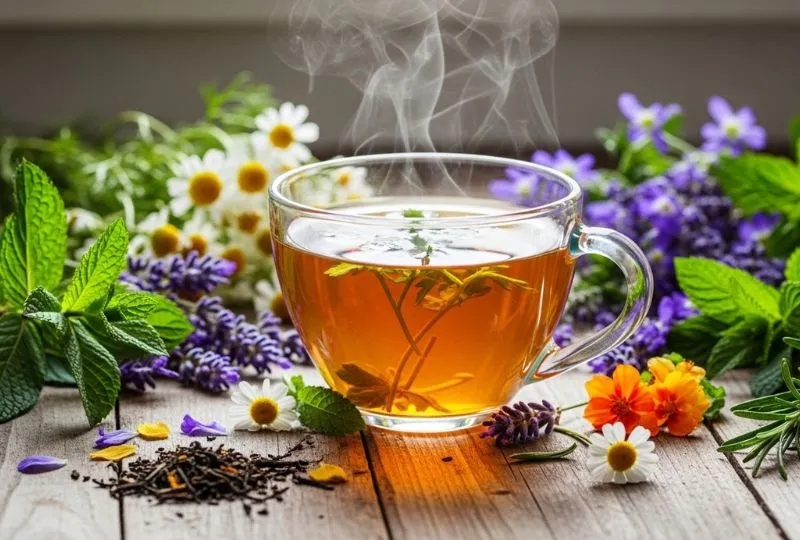
The Art of Tea Infusion: A Journey into Aroma, Culture, and Well-Being
Indulging in the world of tea is akin to embarking on a sensory voyage that mingles history, culture, aroma, and health in every sip. From the gentle swirl of the leaves in hot water to the fragrant steam that rises to meet your senses, tea infusion offers more than just a drink; it provides a serene and fulfilling experience. Whether you are a seasoned tea enthusiast or a curious newcomer, this guide will delve into the enchanting process of tea infusion, delve into its pleasant aromas, celebrate its health benefits, and reveal the rich tapestry of stories woven through global cultures. Prepare to savor moments of tranquility as we explore the delightful world of tea.
The Art of Preparing Tea Infusion
The art of tea infusion is a cherished ritual that dates back thousands of years. The preparation of tea is not just a mechanical process but an expression of culture and personal taste. To craft the perfect cup, attention to detail is paramount: water temperature, the quality of leaves, and the steeping time are crucial elements.
🍵 Looking for the perfect tea?
Ask the Tea Wellness Guide about teas for sleep, relaxation, immunity, digestion & more!
Gather Your Ingredients
- High-quality tea leaves: Opt for loose-leaf tea rather than tea bags to enjoy richer flavors and aromas.
- Fresh water: Use filtered or spring water, as the mineral content can influence the taste and quality of your brew.
- Optional herbs and spices: Enhance your blend with ingredients like mint, ginger, or lemon peel for additional depth.
The Magic of Water Temperature
The temperature of the water you use for infusion is pivotal. Different types of tea require varying levels of heat:
- Green tea: Ideal at 150-180°F (65-80°C) to preserve its delicate flavors.
- Black tea: Steep at 200-212°F (93-100°C) for full flavor extraction.
- White tea: Best brewed at 160-185°F (71-85°C) to maintain its subtlety.
- Herbal teas: A boiling point of 212°F (100°C) is suitable to draw out the rich notes.
Perfecting the Steeping Time
Steeping time enhances the essence of tea. Over-steeping can lead to bitterness, while too short a time can be underwhelming:
- Green tea: 2-3 minutes
- Black tea: 3-5 minutes
- White tea: 4-5 minutes
- Herbal teas: 5-7 minutes
The Alluring Aroma of Tea
Each variety of tea brings forth a unique aroma that captivates the senses and sets the stage for a comforting experience. As you pour the hot water over the leaves, take a moment to relish in the fragrance that emerges:
- Floral notes: Found in teas like jasmine and chamomile, offering a soothing essence.
- Earthy and vegetal scents: Green teas often carry subtle grassy aromas.
- Rich and malty tones: Prominent in black teas, delivering warmth and depth.
Incorporate these aroma profiles into your day to create moments of peace and mindfulness, allowing yourself to be transported to faraway gardens and tea estates with each breath.
Health Benefits of Tea Infusion
Beyond its delightful taste and aroma, tea offers substantial health benefits that contribute to overall well-being. Regularly indulging in tea can be an integral part of a health-conscious lifestyle:
- Rich in antioxidants: Protects against cellular damage and promotes a youthful appearance.
- Supports heart health: May lower the risk of heart disease and improve cholesterol levels.
- Boosts metabolism: Particularly true for green tea, aiding in weight management efforts.
- Calms the mind: Compounds like L-theanine induce relaxation without drowsiness.
Cultural Footprints in Tea’s Legacy
The cultural relevance of tea is evident across continents and history, with each culture adding its unique flair to the tea-drinking tradition:
China's Cha Dao
In China, tea culture, known as "Cha Dao," is a reflection of harmony, balance, and spirituality. Chinese tea ceremonies emphasize the aesthetic presentation and the connection between tea, nature, and humanity.
Japanese Tea Ceremony
The "Chanoyu" in Japan is an intricate and ceremonial practice, where every action is graceful and purposeful, promoting mindfulness and respect.
British High Tea
In Britain, “afternoon tea” became a symbol of social gathering, accompanied by delicate pastries, scones, and a variety of teas served with elegance and refinement.
Embracing the Tea Experience
There is an untouched beauty in setting aside a moment in your day to savor tea. As you hold your warm cup and let the flavors slowly seep onto your palate, embrace the feeling of tranquility and joy. Incorporating tea rituals into your daily routine allows you to escape the hustle and bustle of life, even if just for a few precious moments. Indulge your curiosity, experiment with different blends, and discover the infusion that best suits your palate and lifestyle. Let each cup of tea be an invitation to relish life's simple pleasures.
```
The Wonderful World of Tea
Tea is one of the world's most popular beverages, cherished across cultures and continents for its delightful flavors and numerous health benefits. With an array of varieties such as green, black, white, and herbal, there’s a type of tea for every palate. Whether you're savoring a cup to unwind after a long day or using it as an energizing start to your morning, tea offers more than just refreshment. Let's explore five compelling benefits of incorporating tea into your daily routine, followed by five reasons why tea is an excellent choice for you.
5 Benefits of Drinking Tea
1. Rich in Antioxidants
Tea is packed with antioxidants, which are compounds that help to combat free radicals in the body. These free radicals can damage cells and contribute to aging and the development of various diseases. Green tea, in particular, is known for its high levels of potent antioxidants known as catechins.
2. Supports Heart Health
Regular consumption of tea has been associated with a reduced risk of heart disease. Studies suggest that the flavonoids present in tea can improve heart health by reducing bad cholesterol, improving blood vessel function, and lowering blood pressure.
3. Enhances Mental Focus
Tea contains caffeine, although in lower amounts than coffee, making it a great choice for improving alertness and concentration without the jitters. Additionally, the amino acid L-theanine, found in tea, promotes relaxation and assists in achieving a focused yet calm state of mind.
4. Aids in Weight Management
Tea, especially green tea, has been shown to boost metabolism and increase fat burning. Drinking tea can support weight management when combined with a healthy diet and regular exercise, making it a beneficial addition to your wellness routine.
5. Supports Digestive Health
Herbal teas like peppermint and ginger are known for their digestive benefits, providing relief from nausea, indigestion, and bloating. Their soothing properties can help maintain a healthy digestive system, ensuring you feel your best.
5 Reasons to Choose Tea
1. Variety of Flavors
Tea offers a limitless range of flavors, from floral and herbal to fruity and spicy. Whether you prefer the earthy tones of black tea or the delicate notes of white tea, there is a tea to suit every taste preference.
2. Easy to Prepare
Preparing tea is incredibly simple and can fit into even the busiest of lifestyles. With a variety of preparation methods — using a teabag, loose leaf tea infusers, or even a convenient bottled iced tea — enjoying tea can be effortless and time-efficient.
3. Suitable for All Seasons
Tea can be enjoyed either hot or cold, making it an ideal beverage year-round. Warm yourself with a comforting hot cup in winter or refresh with an iced brew during the summer months. Tea adapts seamlessly to the changing seasons.
4. Provides Hydration
While water is the ultimate hydration source, tea serves as a tasty and healthy way to stay hydrated. Unlike sugary beverages, tea can help quench your thirst while offering various health benefits, contributing to your daily hydration goals.
5. Offers a Moment of Relaxation
Tea drinking serves as a calming ritual that offers a break from the fast pace of modern life. It encourages mindfulness and relaxation, providing a moment of peace amidst a busy day and promoting a sense of well-being.
Embrace the myriad benefits and reasons of drinking tea by exploring different types today. Whether you're a seasoned tea lover or a curious newcomer, there's always more to discover in the captivating world of tea.
```
Tea is one of the most consumed beverages worldwide, cherished for its diverse flavors and health benefits. Originating primarily from the Camellia sinensis plant, tea offers a wide range of varieties including green, black, oolong, and white, each with its unique taste and aroma. Whether you're a seasoned connoisseur or a curious newbie, exploring the world of tea can be both a delightful and enriching experience. Let’s dive into some common questions people have about this beloved beverage and learn why adding tea to your daily routine can be a nourishing choice.
FAQ
What are the health benefits of drinking tea?
Tea is packed with antioxidants, which can help reduce the risk of chronic diseases, improve brain function, and support heart health. Drinking tea regularly can also aid in digestion and enhance mental alertness.
How should I store tea to maintain its freshness?
To keep tea fresh, store it in an airtight container away from light, moisture, and strong odors. Keep it in a cool, dark place to preserve its flavor and aroma for longer periods.
What's the difference between green tea and black tea?
Green tea undergoes minimal oxidation, preserving its green color and distinct taste. Black tea is fully oxidized, giving it a robust flavor and darker hue. Both offer unique health benefits and flavors.
Can tea help in weight loss?
Yes, certain teas like green and oolong can boost metabolism and promote fat burning. Incorporating them into a balanced diet may assist in weight management efforts.
How much caffeine is in tea compared to coffee?
Tea generally contains less caffeine than coffee. A typical cup of black tea has about 40-70 mg of caffeine, while green tea contains around 20-45 mg, compared to 95 mg in coffee.
What is the best time to drink tea?
Enjoy tea at any time of day, but for optimal benefits, morning and mid-afternoon are ideal. Herbal and caffeine-free teas are great for relaxation in the evening.
Are there teas for relaxation and sleep?
Yes, herbal teas such as chamomile and valerian root are known for their calming effects. They can help relax the mind and promote better sleep quality.
Conclusion
Incorporating tea into your daily routine can provide numerous health benefits and offer a delightful array of flavors and aromas to explore. Whether you seek health benefits, relaxation, or a culinary experience, there is a tea for you. As you savor each cup, remember that choosing high-quality, fresh tea will enhance your experience and deliver the most benefits. So, embrace the world of tea and discover your next favorite brew today.
```Si quieres conocer otros artículos parecidos a Butterfly Pea Flower Tea Infusion: Colour Magic & Health Benefits puedes visitar la categoría tea infusion.
Related Articles – Discover More Tea Secrets & Wellness Tips