
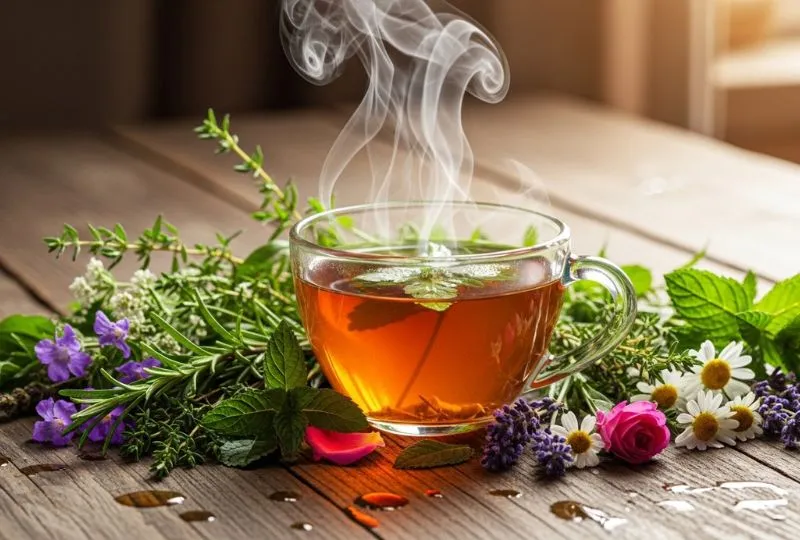
The Art of Tea Infusion: A Journey of Flavor and Serenity
- The Art of Tea Infusion: A Journey of Flavor and Serenity
- The Preparation Process of Tea Infusion
- Ingredients that Elevate Your Tea Experience
- The Benefits of Drinking Tea
- The Irresistible Aroma of Tea Infusion
- Cultural Aspects of Tea Infusion
- Embracing the Moment with Tea
- 5 Benefits of Drinking Tea
- 5 Reasons to Start Drinking Tea
- Frequently Asked Questions About Tea
- Conclusion
Tea infusion is more than just a method of preparing a drink; it embodies a rich tapestry of culture, tradition, and sensory delight. From the gentle aroma that greets you with each sip to the calming effect it has on your mind and body, tea offers an experience that transcends the ordinary. In this article, we will explore the fascinating world of tea infusion, delving into the preparation process, the essential ingredients, the myriad benefits, and the cultural significance that makes this beverage a beloved ritual worldwide.
The Preparation Process of Tea Infusion
Perfecting the art of tea infusion begins with understanding the delicate balance of ingredients and technique. The process is simple yet requires attention and care to truly capture the essence of the tea leaves. Here's a step-by-step guide to help you embark on this journey:
🍵 Looking for the perfect tea?
Ask the Tea Wellness Guide about teas for sleep, relaxation, immunity, digestion & more!
- Select your tea: Choose from a variety of teas like black, green, oolong, or herbal infusions. Each type has its unique flavor profile and health benefits.
- Use fresh, cold water: The quality of water is crucial as it constitutes the majority of your tea. Opt for filtered or spring water to ensure a pure taste.
- Heat your water: Different teas have different optimal brewing temperatures. For example, green tea should not be steeped in boiling water as it can scorch the leaves.
- Measure your tea: Typically, one teaspoon of loose-leaf tea per cup is ideal. Adjust the quantity based on your strength preference.
- Infuse the tea: Allow the tea leaves to unfurl, releasing their full range of flavors. Steeping time can vary, but a general guide is 3-5 minutes.
- Enjoy your brew: Pour the tea into your favorite cup, savor the aroma, and take a moment to breathe before you indulge.
Ingredients that Elevate Your Tea Experience
The diversity of teas available offers a broad spectrum of flavors, each with unique ingredients that enhance the infusion experience. The magic of a tea infusion often lies in its harmonious blend of natural elements, including:
- Herbs and Flowers: Chamomile, lavender, and mint are popular choices that add aromatic and health-boosting properties.
- Spices: Ingredients like cinnamon, ginger, and cardamom introduce warmth and complexity to the flavor profile.
- Fruits: Dried fruits such as berries, citrus peel, and apples contribute a sweet and tangy contrast to the tea's inherent bitterness.
- Nuts and Seeds: Add texture and subtle nuttiness to your blend with almonds, sunflower seeds, or coconut flakes.
The Benefits of Drinking Tea
Sipping on tea is not just a sensory pleasure; it's accompanied by a plethora of health benefits that justify its age-old reputation as a healing elixir. Some of the primary advantages include:
- Rich in Antioxidants: Tea contains polyphenols that combat oxidative stress and reduce the risk of chronic diseases.
- Enhanced Brain Function: The caffeine and L-theanine in tea work synergistically to improve focus, concentration, and mental clarity.
- Supports Heart Health: Regular consumption of tea has been linked to a reduced risk of coronary heart disease and improved cardiovascular markers.
- Promotes Relaxation: Herbal teas like chamomile and peppermint are known to soothe anxiety and promote better sleep.
- Boosts Immunity: The vitamins and minerals in tea foster a stronger immune system, helping the body fend off infections.
The Irresistible Aroma of Tea Infusion
A fundamental part of the tea infusion experience is its fragrant aroma, which acts as a prelude to the flavors yet to come. The enticing scent of brewing tea can transform a mundane setting into a soothing sanctuary, inviting you to pause and indulge. Each type of tea offers its own aromatic signature:
- Green Tea: Fresh and grassy with hints of seaweed and chestnut.
- Black Tea: Bold and malty, featuring notes of honey and citrus.
- Herbal Tea: Floral and earthy, often layered with spices and fruits.
Let the fragrance of tea transport you to distant lands where tranquility reigns and stress fades away.
Cultural Aspects of Tea Infusion
Throughout history, tea has held a place of reverence in many cultures across the globe. Each society has infused its own traditions and rituals into how tea is prepared, served, and consumed. From the formal Japanese tea ceremonies to the warm hospitality of a British afternoon tea, each tradition elevates the act of brewing tea to an art form.
In China, tea is synonymous with philosophy and contemplation, often enjoyed in silence to allow the drinker to engage fully with their thoughts. In contrast, India's chai culture emphasizes community and togetherness, often shared in bustling markets or quiet homes.
The cultural tapestry of tea infusion enriches our understanding of this beloved beverage, revealing the universal themes of connection and peace that it facilitates.
Embracing the Moment with Tea
Through the simple practice of tea infusion, we unlock the pleasure of savoring life’s most genuine and intimate moments. The gentle ritual of preparing, smelling, and tasting tea encourages us to slow down and immerse ourselves in the present. Allow the warmth of your cup to serve as a gentle reminder to embrace calmness, fostering a peaceful escape from the rush of everyday life. Whether enjoyed in solitude or shared with loved ones, each sip becomes an invitation to relish an authentic moment of joy.
```
Tea, a beloved beverage enjoyed by cultures worldwide, is more than just a comforting drink. Its rich history and diverse flavors make it a staple in many households. Beyond its delightful taste, tea offers numerous benefits, making it a perfect choice for daily consumption. In this article, we will explore five notable benefits of drinking tea and five compelling reasons to incorporate it into your lifestyle.
5 Benefits of Drinking Tea
1. Rich in Antioxidants
Tea is packed with antioxidants, which help combat free radicals in the body. These antioxidants, such as catechins and flavonoids, are crucial in reducing oxidative stress, promoting cellular health, and potentially lowering the risk of chronic diseases.
2. Improves Heart Health
Regular consumption of tea, particularly green and black varieties, has been linked to improved cardiovascular health. Studies indicate that the compounds in tea can help reduce bad cholesterol levels, improve blood circulation, and lower blood pressure, ultimately supporting a healthy heart.
3. Aids in Weight Management
For those looking to manage their weight, tea can be a helpful ally. Green tea, for instance, has been shown to boost metabolism and increase fat burning, aiding in weight loss efforts. It serves as a low-calorie alternative to sugary drinks, making it a smart choice for those watching their calorie intake.
4. Enhances Mental Alertness
Tea contains caffeine, albeit typically in lower amounts than coffee, providing a gentle boost in alertness and concentration. Additionally, the amino acid L-theanine in tea supports mental focus and relaxation, creating a balanced energy boost without the jitters.
5. Supports Immune Function
Tea, particularly herbal varieties like ginger and chamomile, can bolster your immune system. The natural compounds in these teas exhibit anti-inflammatory and antimicrobial properties that can enhance the body's defense mechanisms against infections.
5 Reasons to Start Drinking Tea
1. Diverse Flavor Profiles
Tea offers a wide array of flavors and blends, from the earthy tones of black tea to the floral notes of oolong and the refreshing zest of herbal teas. This diversity ensures there's a tea to suit every palate, making it an exciting beverage to explore.
2. A Cultural Experience
Tea rituals are an integral part of many cultures, offering a glimpse into rich traditions and customs. Enjoying a cup of tea can be a gateway to exploring diverse cultural practices and a means to connect with people worldwide through a shared appreciation for this timeless beverage.
3. Convenience and Versatility
Tea is incredibly versatile. Whether you prefer it hot or iced, sweetened or plain, there's a preparation method to suit your preference. Additionally, tea is easy to brew, making it a convenient option for a quick pick-me-up or a relaxing evening ritual.
4. Eco-Friendly Beverage Choice
Choosing tea over bottled drinks can be a step toward a more sustainable lifestyle. Many teas are available in bulk or loose-leaf forms, reducing packaging waste. Plus, tea leaves are biodegradable, adding an environmentally-friendly aspect to your beverage choice.
5. Affordable Luxury
Tea provides an affordable indulgence, offering excellent value for both everyday sipping and special occasions. It can be as simple or as luxurious as you desire, with premium blends and unique infusions available to elevate your tea-drinking experience without breaking the bank.
Embracing tea as part of your daily life opens up a world of possibilities and benefits, from enhancing your health to delighting your senses. Consider adding this versatile beverage to your routine and discover the positive impacts it can have on your well-being and lifestyle.

Tea is more than just a comforting drink; it's a tradition enjoyed by millions worldwide. From herbal infusions to classic black and green varieties, tea offers a variety of flavors and benefits. Its versatility and richness make it a popular choice for both casual drinkers and connoisseurs alike.
Frequently Asked Questions About Tea
What are the health benefits of drinking tea?
Tea contains antioxidants that can boost heart health, improve brain function, and enhance weight loss. It also offers a natural way to stay hydrated.
How does green tea differ from black tea?
Green tea is rich in catechins, providing a lighter taste and more health benefits. Black tea undergoes oxidation, offering a stronger flavor.
What is the best way to brew tea?
Use fresh, filtered water and steep the tea for 3-5 minutes. Adjust the time based on the type and personal preference.
Does tea contain caffeine?
Yes, most teas contain some caffeine, but the amount varies by type. Green tea has less caffeine than black tea.
What types of herbal teas are available?
Common herbal teas include chamomile, peppermint, and hibiscus. They are caffeine-free and often used for relaxation or digestion.
How should I store tea to keep it fresh?
Store tea in an airtight container away from light, heat, and moisture to preserve its flavor and aroma.
Can tea help improve sleep?
Herbal teas like chamomile and valerian root may promote relaxation and improve sleep quality without caffeine.
Conclusion
Tea is a dynamic beverage with a rich history and a multitude of flavors to satisfy any palate. Its health benefits and simple preparation make it an appealing choice for a wide audience. Whether you're seeking a calming herbal blend or the invigorating taste of black tea, there's a perfect cup waiting to be discovered. Enjoy the journey of exploring different varieties and discover why tea remains a beloved ritual for many. Embrace the opportunity to enhance your daily routine with this timeless drink, and experience the myriad pleasures of a well-brewed cup of tea.
Si quieres conocer otros artículos parecidos a How to Make a Tea Infusion That Works with Your Meditation Practice puedes visitar la categoría tea infusion.
Related Articles – Discover More Tea Secrets & Wellness Tips